The Science of a Calm Bedtime Routine
What a steady, calming bedtime routine does for your child's sleep, mind and mood, and how the ritual changes from toddler years to age ten.
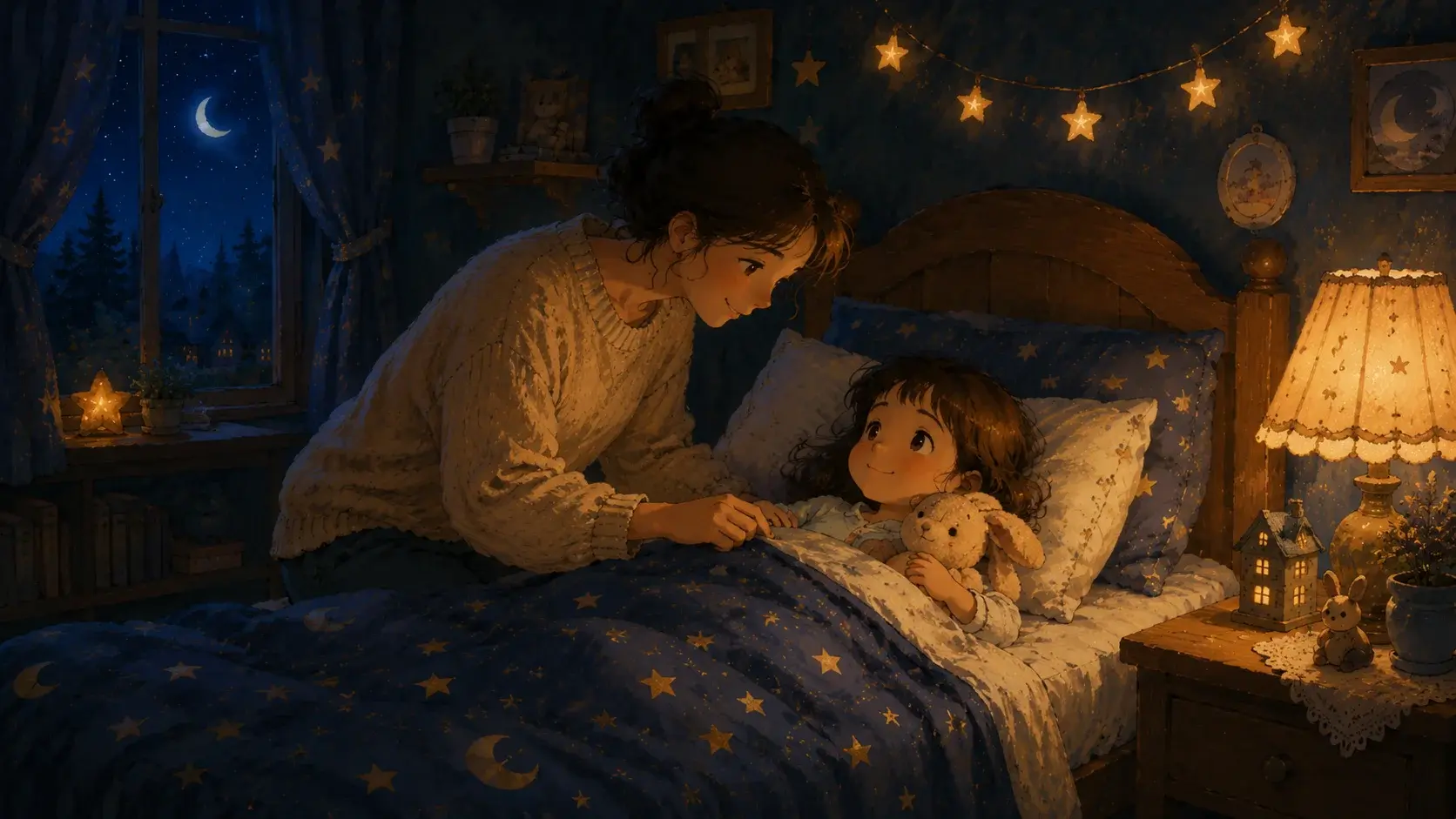
The bath is done, the teeth are brushed, the pajamas are on. You turn the lamp down low, pull the blanket up, and reach for tonight's story. It looks like a small, ordinary sequence. To your child's body and brain, that small sequence is doing real work.
The magic is in the repetition
In 2015, sleep researcher Jodi Mindell and her colleagues studied young children around the world and found something striking: the benefit of a bedtime routine is dose-dependent. The more nights a family kept the same calming steps, the better their children slept. They fell asleep faster, woke less often in the night, and slept for longer. Starting the routine early, in the first years, predicted better sleep later on. The active ingredient was not any single step. It was the predictability: the same things, in the same order, at the same gentle pace, night after night.
What a good night actually looks like
Children need far more sleep than most of us remember. The American Academy of Pediatrics, following the American Academy of Sleep Medicine, recommends that children aged three to five get ten to thirteen hours in a day (naps included), and that children six to twelve get nine to twelve hours. A steady routine is how families protect those hours. As the lights dim and voices drop, the body reads the signals that night has arrived and quietly begins to prepare for sleep.
The routine grows up with your child
The shape of the ritual changes as children do. Toddlers and preschoolers need more steps and more closeness: a warm bath, soft pajamas, teeth, a cuddle, a story, then lights down, kept short and almost identical each night. School-age children need fewer steps and more independence, and they will often insist they no longer need a routine at all. They still do. The wind-down can become shorter and more grown-up, but the quiet signal and the shared story keep doing their job: trading the noise of the day for one calm ending.
It is about more than sleep
A 2018 review by Mindell and Williamson gathered the evidence and found that a consistent bedtime routine reaches well past sleep itself. Regular routines were linked to stronger language and early literacy, better emotional and behavioral regulation, closer parent and child attachment, and calmer family life overall. A few minutes of warmth and predictability, repeated every night, add up to something much larger than a single good night's sleep.
Where the story comes in
Inside that routine, the story is the natural anchor. It is the step that is calm, narrated, and screen-free, the moment that tells everyone the day is slowing down. That matters, because a frantic screen does the opposite, lighting the brain up just when it should be settling. A gentle, illustrated, read-aloud story leaves room for a child to drift.

This is the part of the night Dreamtime was built for. On a sleepy evening you can wonder what actually happens once the eyes close, in Sleep and Dreams. You can follow a whole season of rest in How Bears Sleep Through Winter. And you can end on the softest glow of all in How Fireflies Light Up the Night. On the busiest nights, even a short five-minute story is enough to mark the moment the day slows down.

So keep the steps small and the order the same. The routine you repeat tonight is not just getting your child to sleep. It is teaching a mind, and a whole family, how to land gently at the end of every day.