Why Every Culture Tells a Moon Story
From a Japanese moon princess to a serpent that eats the moon: why people everywhere tell moon stories, and what the science really says.
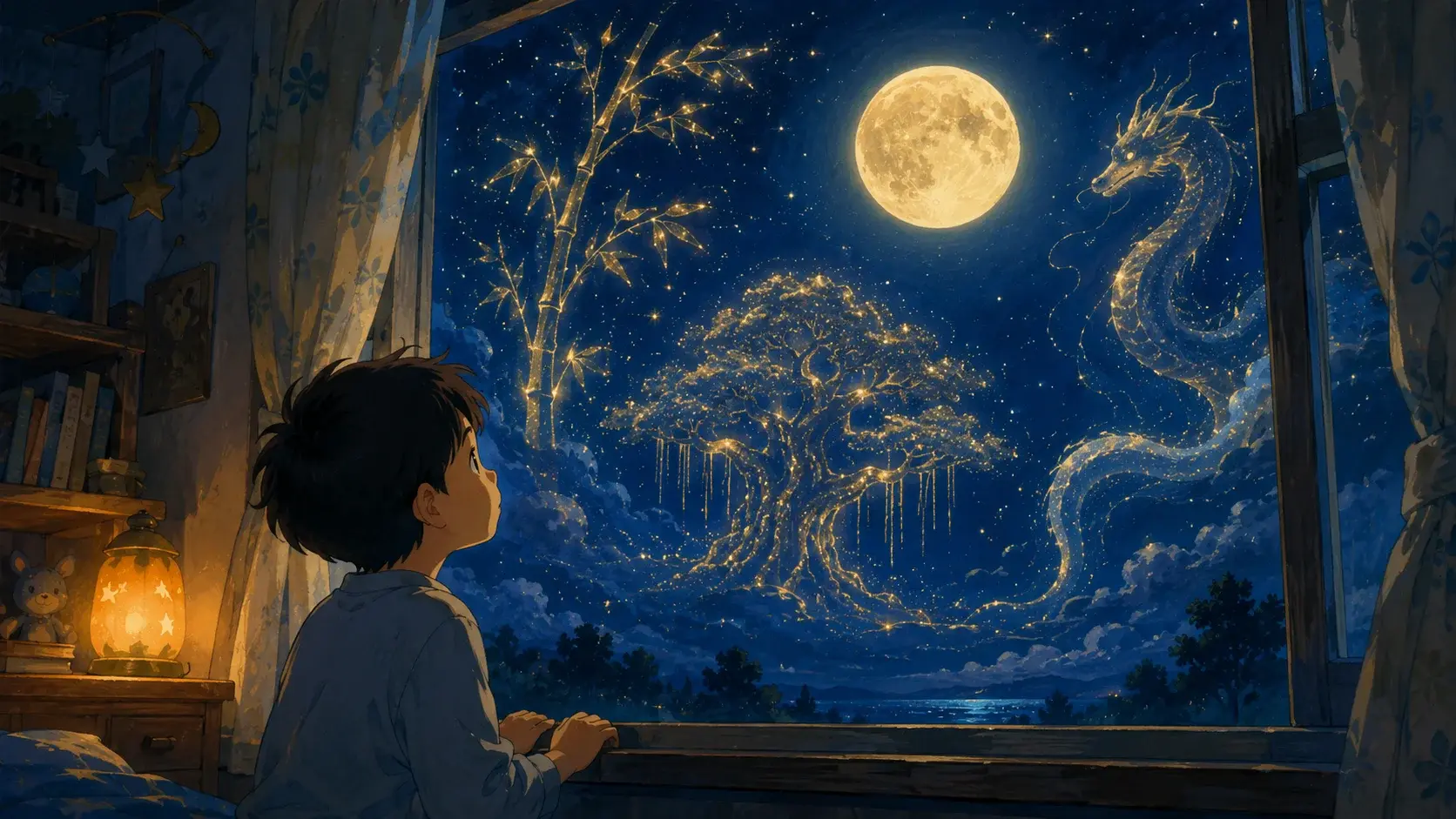
Your child points at the sky and asks the oldest question there is: what is that? Every family, in every land, on every night of human history, has looked up at the very same moon. And almost all of them answered the question the same way. They told a story.
The same moon, a thousand stories
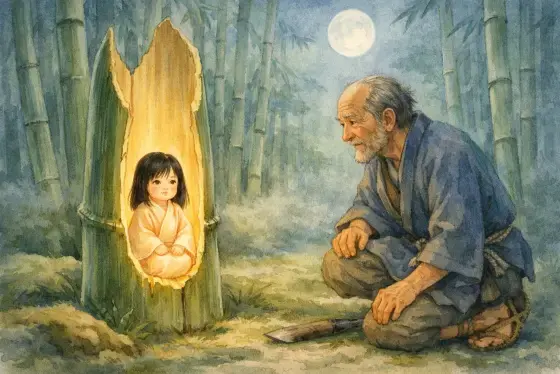
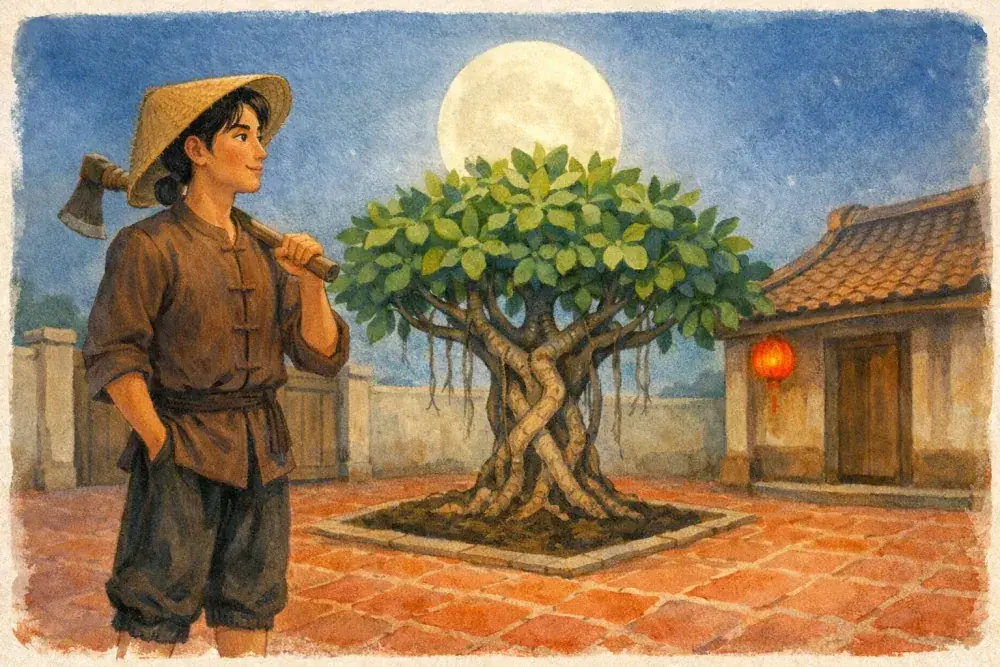
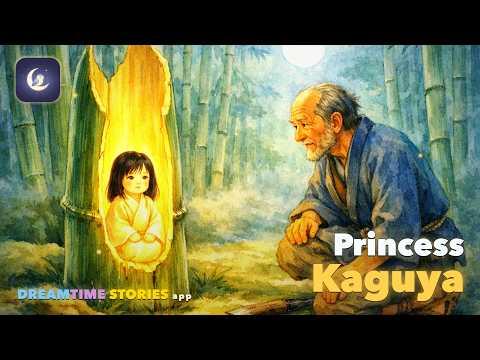
Long before telescopes, the moon was a shared mystery hanging over the whole world, so each culture gave it a face. In Japan, the oldest surviving prose tale, written more than a thousand years ago, is about a glowing girl who came from the moon, Princess Kaguya. In Vietnam, a kind woodcutter is carried up to the moon clinging to a magical banyan tree, in Chu Cuoi and the Banyan Moon, and on a clear night you can still imagine him up there. Different lands, different characters, one bright object that everybody wanted to understand.
When the moon disappears
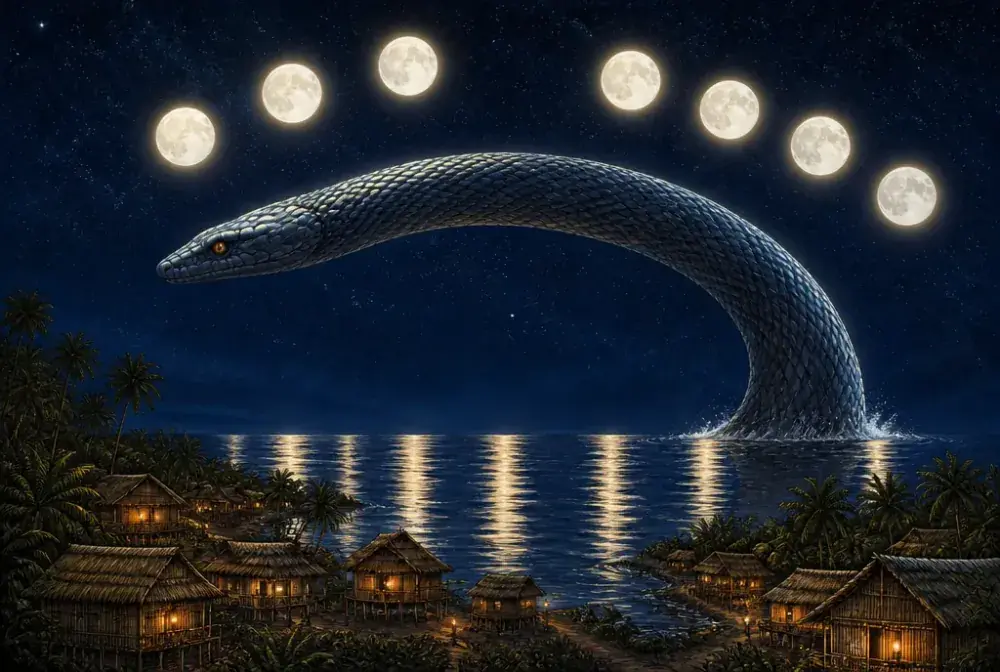
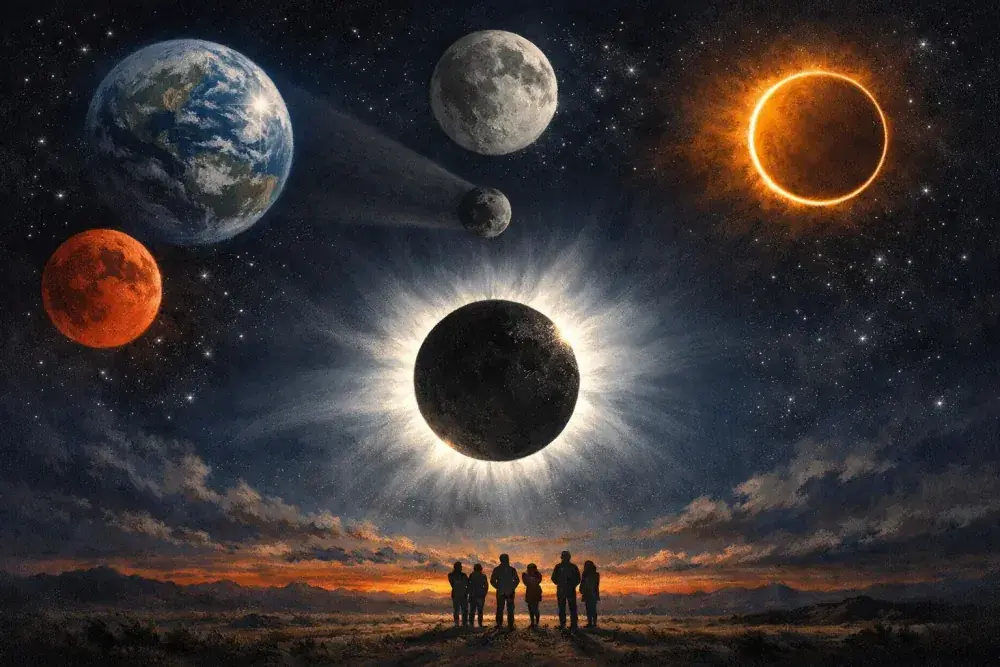
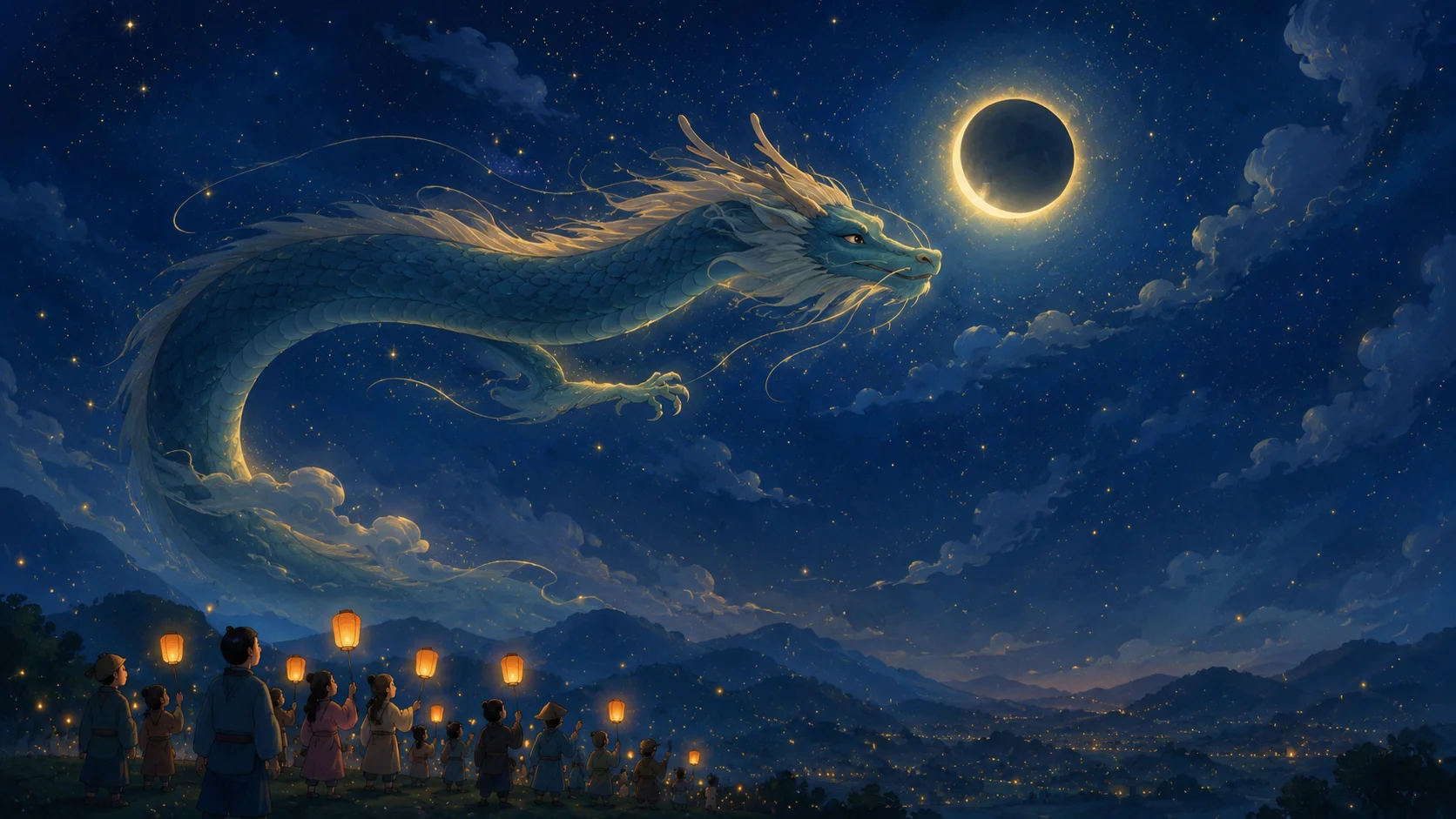
Some moon stories set out to explain its strangest trick: vanishing. When the moon slid into shadow during an eclipse, culture after culture reached for the same striking image, a hungry creature swallowing it whole. In the Philippines that creature is Bakunawa, an enormous sea serpent that rises to eat the moons, in Bakunawa and the Seven Moons. The Norse pictured sky wolves, the Vedic tradition a demon called Rahu, others a dragon or a giant frog. People would bang pots, ring bells and shout to frighten the creature into spitting the moon back out. It always seemed to work, because an eclipse always ends on its own.
What is really happening up there
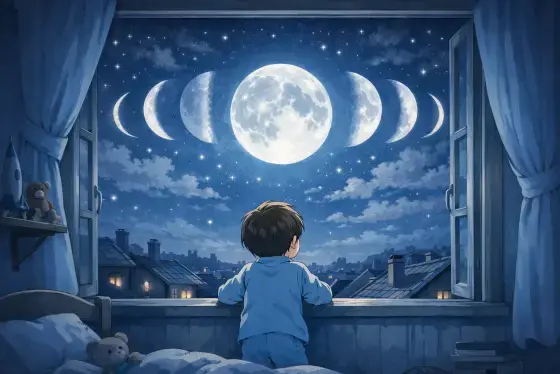
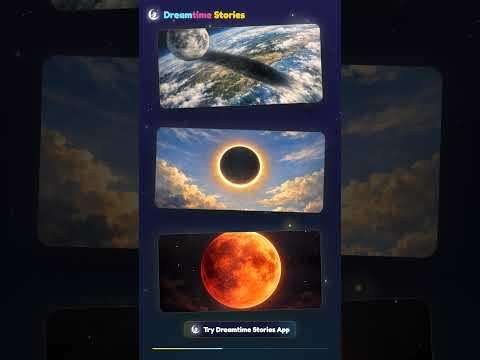
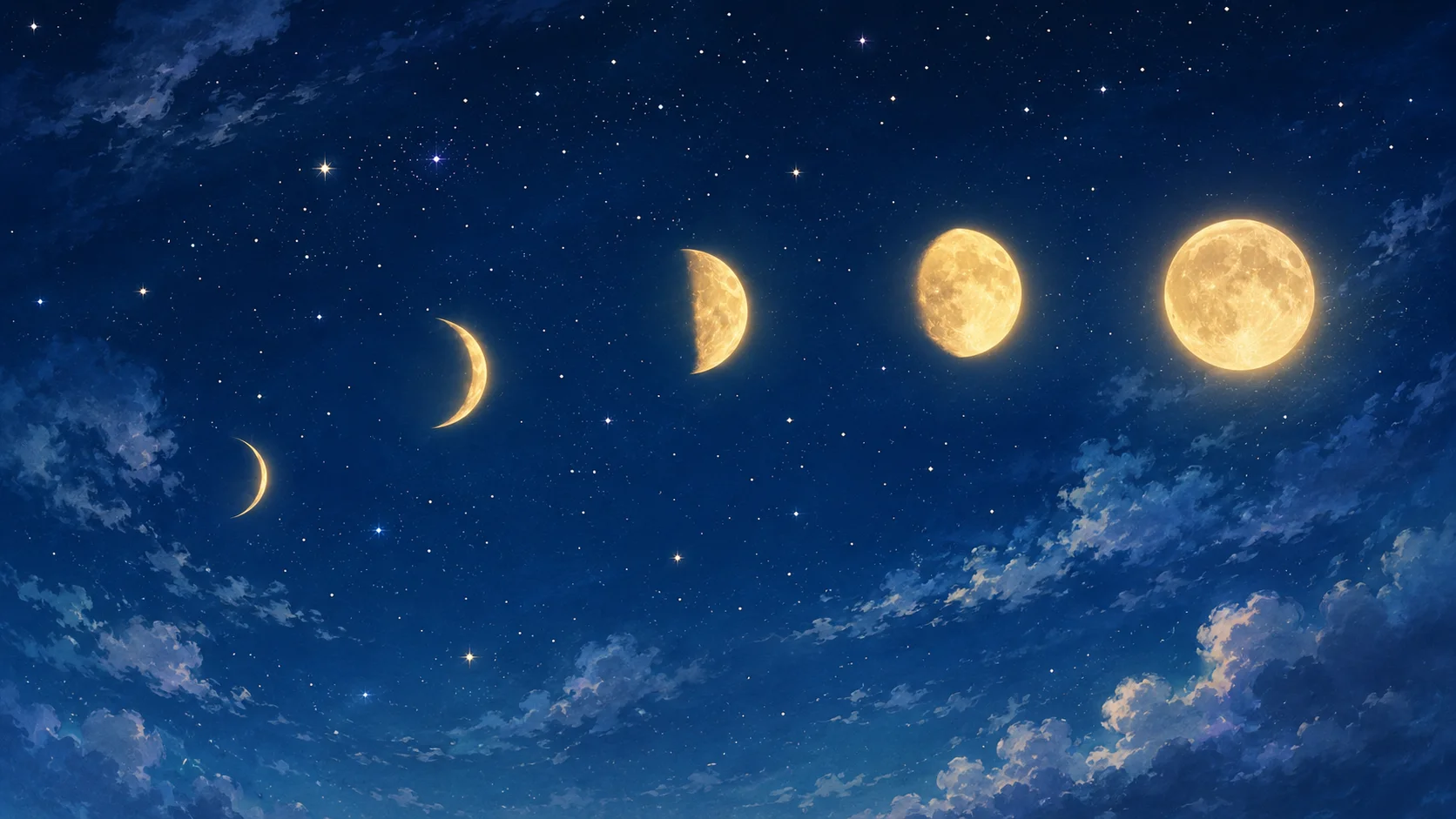
The truth turns out to be just as wonderful. The moon makes no light of its own. The sun lights up half of it at all times, and as the moon circles the Earth across about 29 and a half days, we see more or less of that bright half. That slow shift is what we call the phases, from a thin crescent to a full round moon and back again. (And the patient face we always see? The moon turns at just the right pace to keep the same side toward us.) An eclipse is the same shadow play on a grander scale: every so often the sun, Earth and moon line up exactly, and the Earth's own shadow falls across the moon. No serpent required, although Bakunawa is a far better thing to whisper at bedtime.
Why the two belong together
A child does not have to choose between the dragon and the orbit. The folktale gives the moon meaning and wonder. The science gives it truth. Heard side by side, they do something neither manages alone: they teach a child that the world can be both magical and knowable, and that curiosity is exactly how you travel from the first to the second. The serpent makes you look up. The science makes you keep looking.
Moon stories to share tonight
This is the cluster Dreamtime loves most, the place where folklore and real science meet under one sky. After the moon princess and the hungry serpent, turn to the real wonder: why our view of the moon keeps changing, in The Moon Changes Shape, and what is truly happening in the dark, in How Eclipses Really Work, part of our calm bedtime science stories about space.
So tonight, point back at the moon and tell a story. You will be doing the very thing people have done for thousands of years, and handing your child both halves of the sky at once: the wonder, and the why.