The Story Behind Jack and the Beanstalk
How old is Jack and the Beanstalk? The real folklore history, from a 1734 burlesque to Joseph Jacobs, and a tale type maybe 5,000 years old.
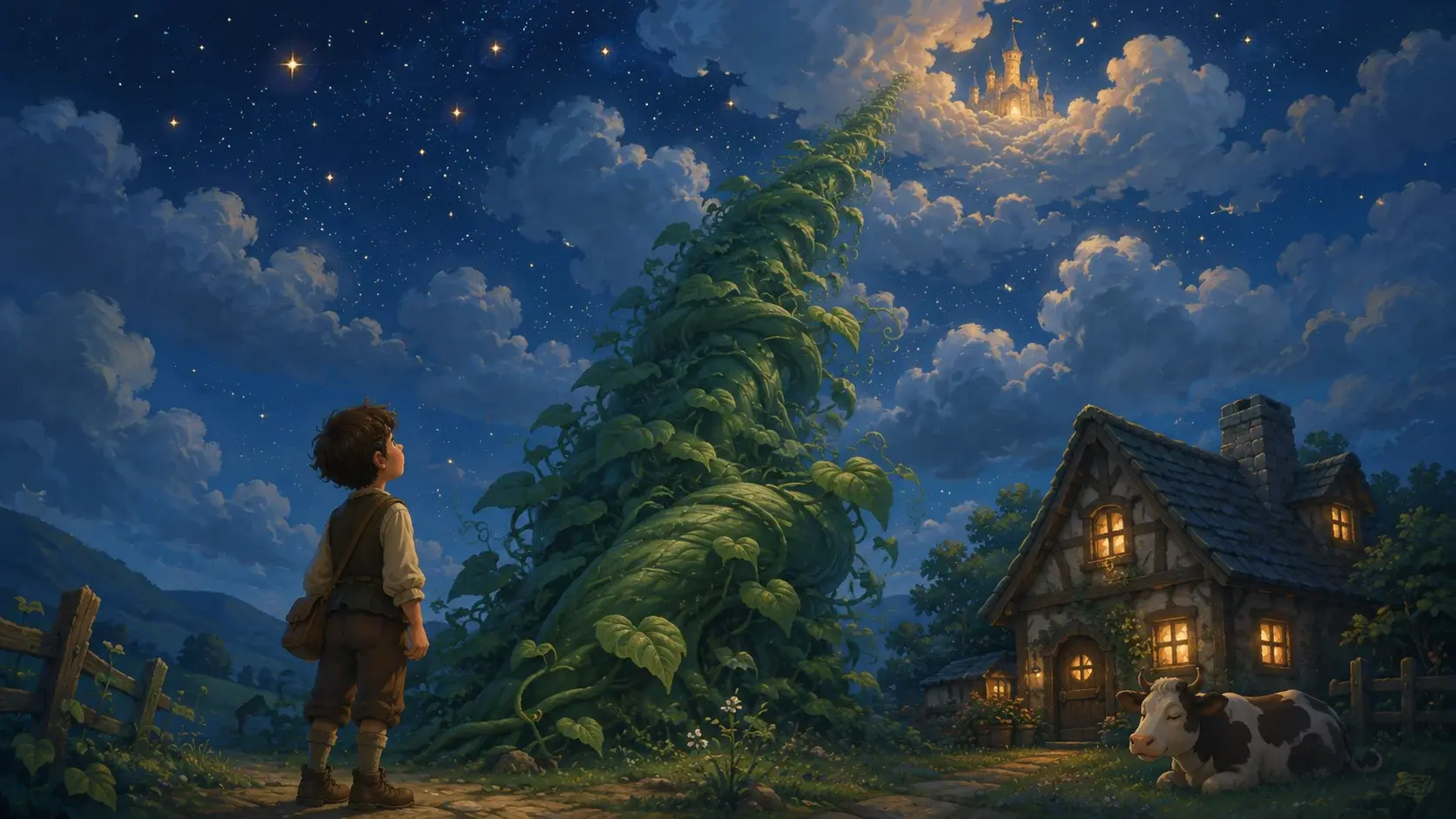
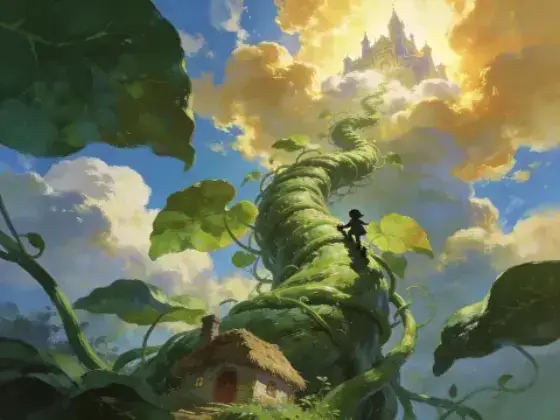
You probably know how it goes by heart. A boy trades the family cow for a handful of beans, his mother throws them out the window in despair, and by morning a green stalk has climbed clear through the clouds. Up there waits a castle, a giant, a goose that lays golden eggs, and a famous "fee fi fo fum." It feels like a tale that has always existed. The surprising part is how close to true that is.
Older than almost anything you have read
The first printed Jack and the Beanstalk is younger than people assume. It surfaced in 1734 as a strange little burlesque called "The Story of Jack Spriggins and the Enchanted Bean," which actually poked fun at magic stories rather than celebrating them. The version that shaped the one we know came later, in 1807, when Benjamin Tabart published "The History of Jack and the Bean-Stalk" and tidied it into a clear moral lesson.
But the story on the page is only the tip of the beanstalk. Folklorists who study how tales travel believe Jack's adventure is far, far older than any book. In 2016, two researchers, Sara Graça da Silva and Jamshid Tehrani, borrowed the family-tree methods that biologists use to track genes and applied them to folktales instead. Their finding, published in Royal Society Open Science, was startling: some of these tales trace back to when the Indo-European languages first split apart, roughly 5,000 years ago. Jack and the Beanstalk was one of them. The boy and the giant may be older than the pyramids.
The tale that wears a thousand faces
Scholars do not file the story under "Jack." They file it under a number: tale type ATU 328, "The Boy Who Stole the Ogre's Treasure." That dry label hides something lovely. It means the same shape of story, a small hero who climbs to a giant's house and carries off its treasures, turns up again and again across cultures, with different names and different stolen prizes.
In the English-speaking world, Jack himself became a whole family of stories. The "Jack tales" follow one cheerful, quick-witted lad through dozens of adventures, the youngest son who wins by being brave and clever rather than strong. Beanstalk Jack is simply the most famous member of a very large clan.
How the version we read was born
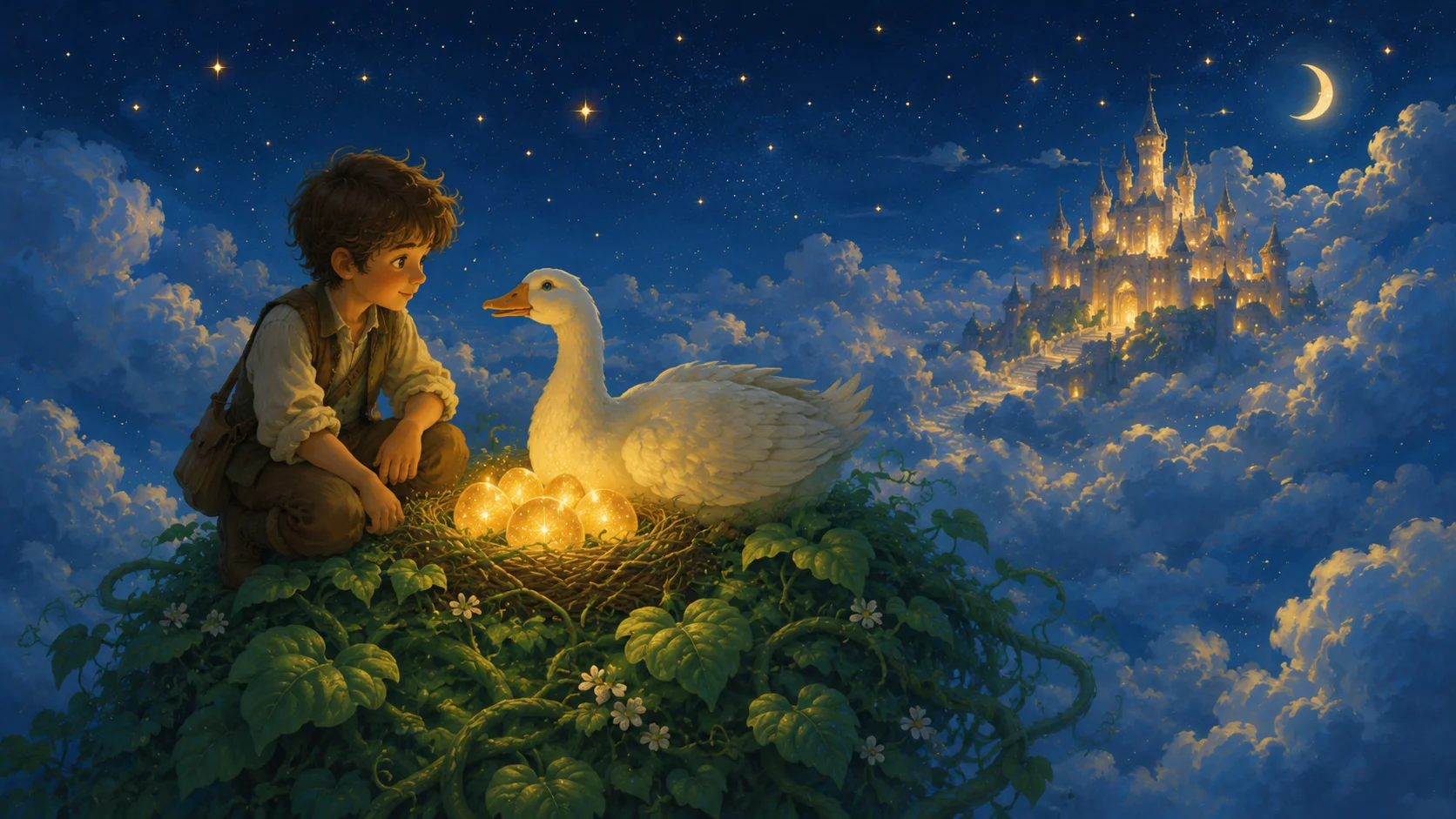
The story we now read aloud owes its shape to one man. In 1890, the folklorist Joseph Jacobs published "Jack and the Beanstalk" in his collection English Fairy Tales. Jacobs deliberately stripped away the heavy moralizing that Tabart had added, aiming for something closer to how the tale actually sounded when told by the fireside. That is why his version feels lively and a little mischievous, and it is the one most often reprinted today.
So the bedtime story in your hands is a layered thing: an oral tale older than writing, caught in print in 1734, reshaped in 1807, and given its modern voice in 1890. Every time you read it, you are the newest link in a chain thousands of years long.
Why the magic beans keep growing
What is it about this story that survived five millennia of retelling? Probably the same things your child loves tonight. A small person facing something enormous. An impossible plant that turns a hard day into an adventure. A treasure worth the climb, and the safe ride back down. Those feelings do not age. They are exactly why folktales outlast empires.
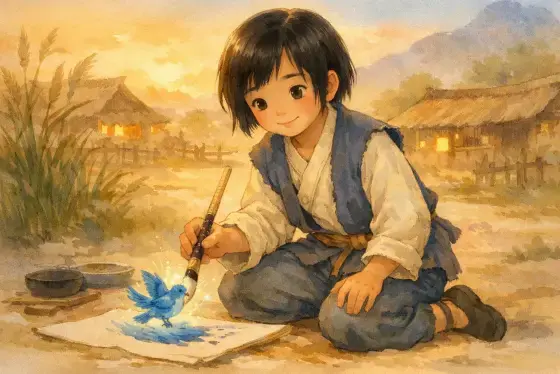
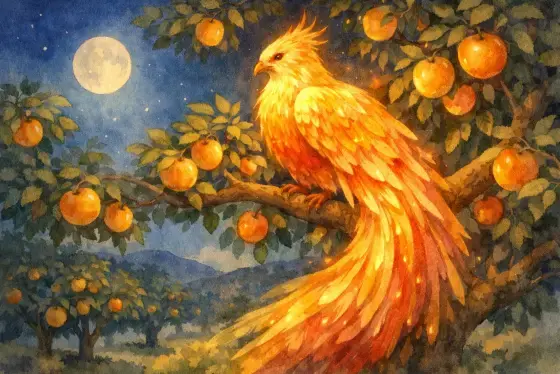
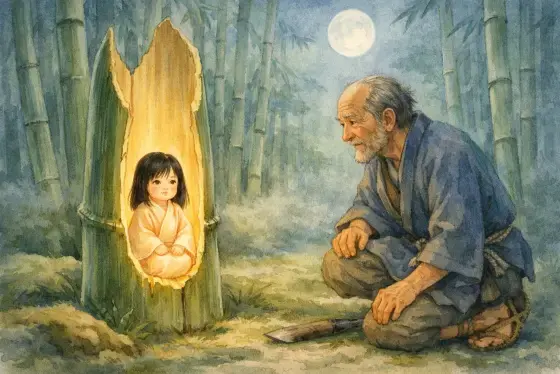
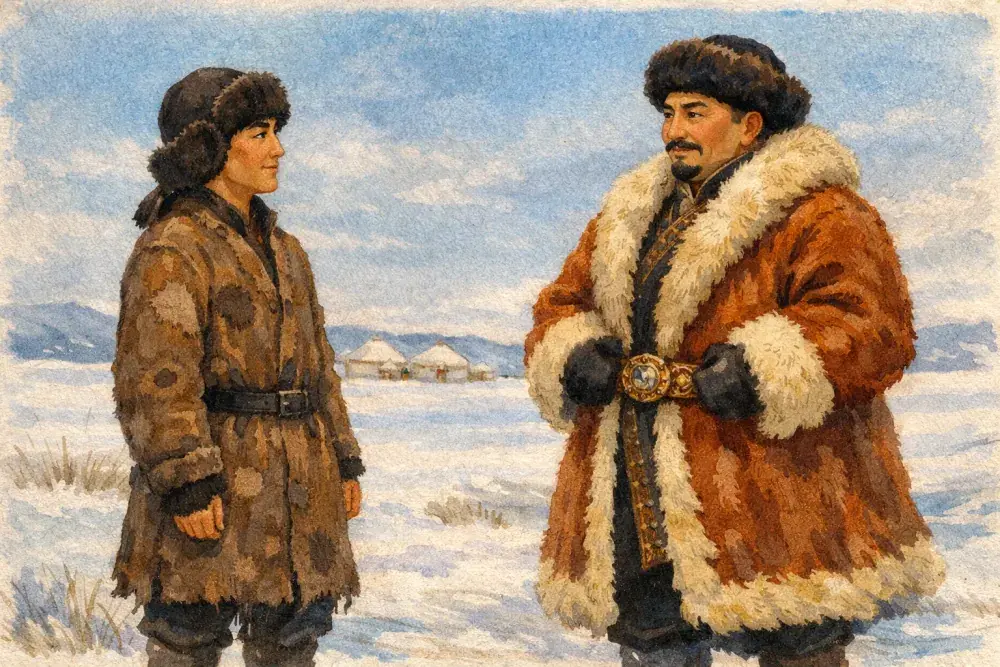
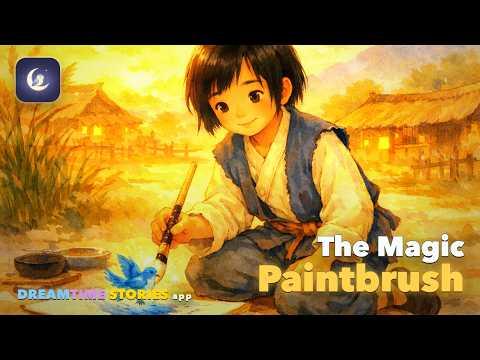
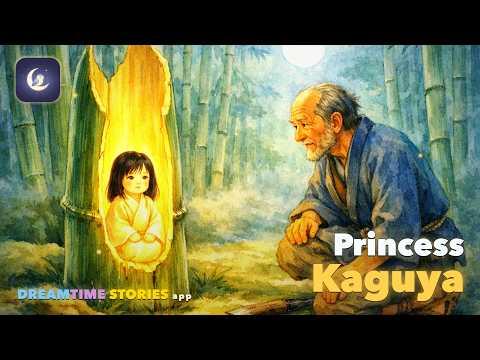
Dreamtime keeps that long chain going, gently, at the end of the day. You can climb the famous stalk in our calm retelling of Jack and the Beanstalk, then meet more of the world's wandering wonder-tales: the kind, clever painter whose brush brings drawings to life in The Magic Paintbrush, the glowing bird at the heart of a Russian quest in The Firebird, and the moon-born child of Japan's oldest surviving tale in Princess Kaguya, and a coat traded away by pure cleverness on the Kazakh steppe in Aldar Kose's Magic Coat.
Read one tonight, narrated and illustrated, slow enough for small eyes to grow heavy. You will be doing what people have done for thousands of years: handing a very old story to someone brand new.
Sources
- Jack and the Beanstalk: 1734 Jack Spriggins burlesque, Tabart 1807, Jacobs 1890, tale type ATU 328 (Wikipedia)
- da Silva and Tehrani, some fairy tales trace back roughly 5,000 years (Royal Society Open Science, 2016), reported by Phys.org
- Some fairy tales may be 6,000 years old, coverage of the da Silva and Tehrani study (CBS News, 2016)