Why Children Ask Why, and the Stories That Answer
Children ask around 76 questions an hour. Pourquoi tales, from a cracked shell to a flightless kiwi, are how cultures answered the endless why.
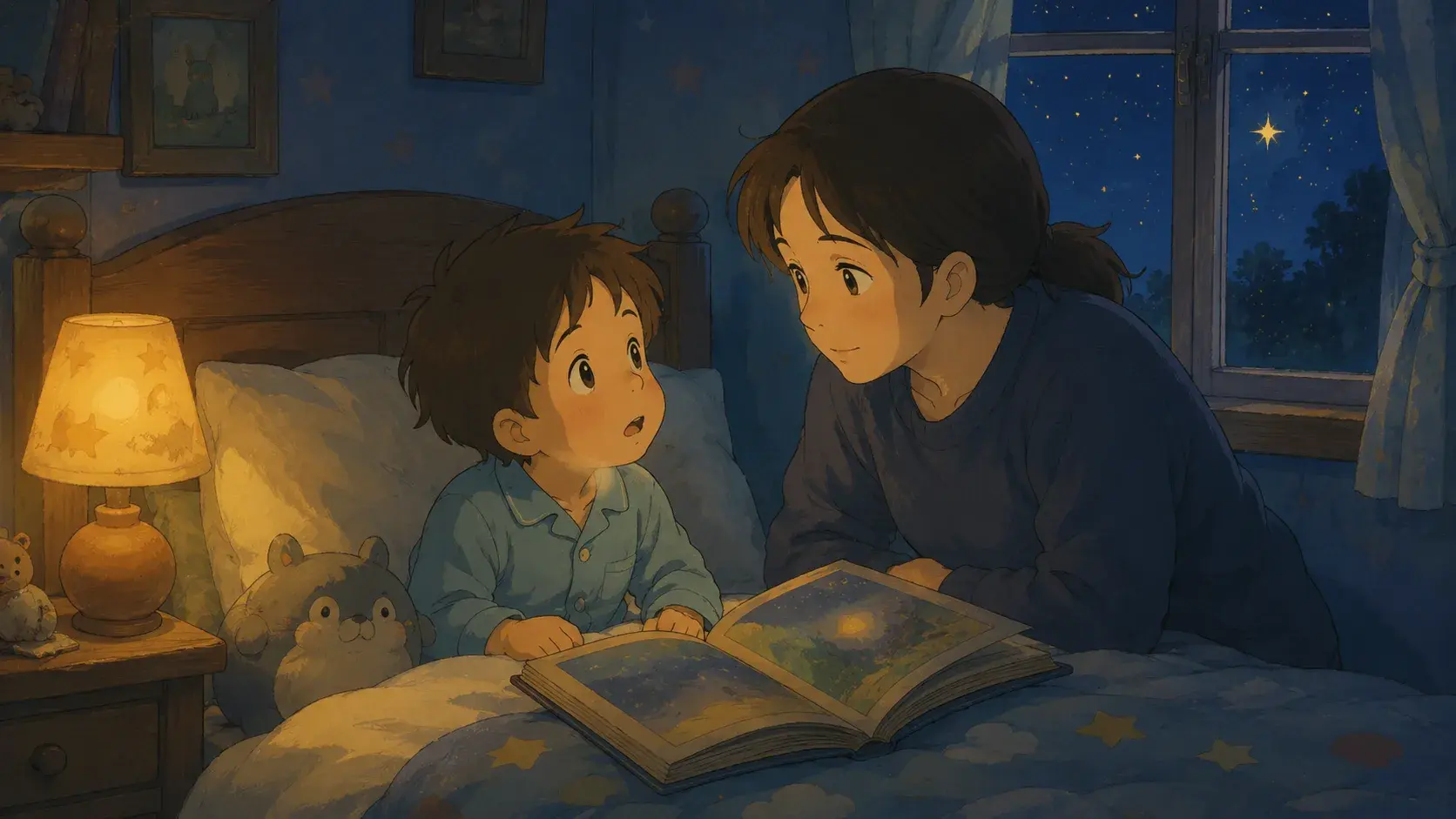
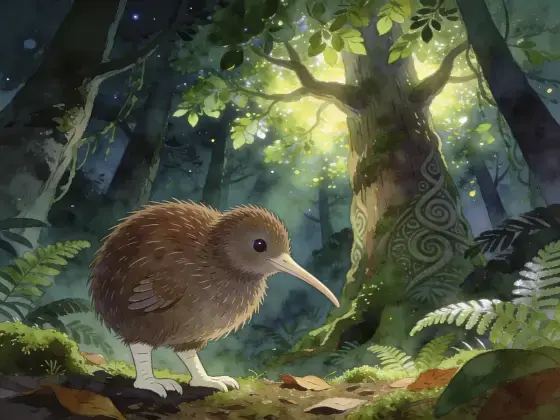
You have just finished a story. The light is low, the room is warm, and a small voice asks the oldest question in the world. But why? Why does the tortoise have a cracked shell? Why can't the kiwi fly? You answer, and a moment later it comes again. Why.
The endless why is real work
That endless why is not a stalling tactic. It is one of the busiest jobs a young mind ever does. When the psychologist Michelle Chouinard combed through thousands of hours of recorded family talk, she found that by around three years old children ask roughly 76 information-seeking questions an hour. One child in her study asked her mother 145 questions in a single hour. The great majority were genuine requests for information rather than bids for attention. This is, in large part, how young children learn: by having their questions answered. A child at bedtime is not only avoiding sleep. They are running a small, tireless research programme, and you are the library.
They are holding out for a reason
Children are also surprisingly picky about the answers. In a 2009 study, Frazier, Gelman and Wellman listened to how preschoolers reacted when a why was met with a genuine explanation, and when it was brushed aside. Given a real cause, children tended to agree and ask a follow-up, building on what they had just learned. Given a non-answer, they did something revealing: they asked the very same question again, or offered an explanation of their own. A child who keeps asking why is not being difficult. They are waiting for a reason worth keeping.
Every culture wrote an answer
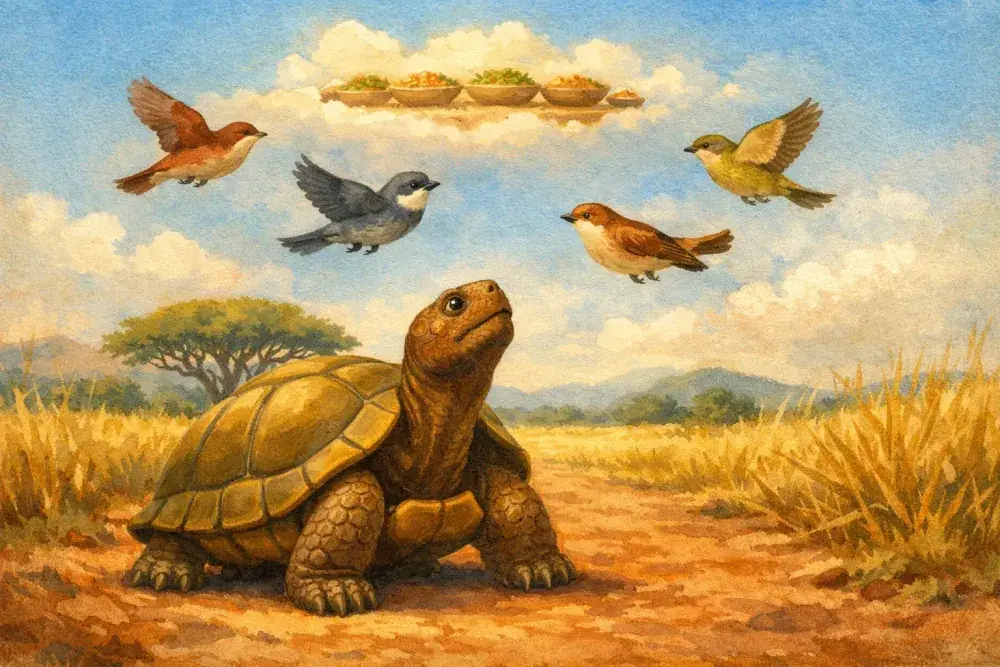
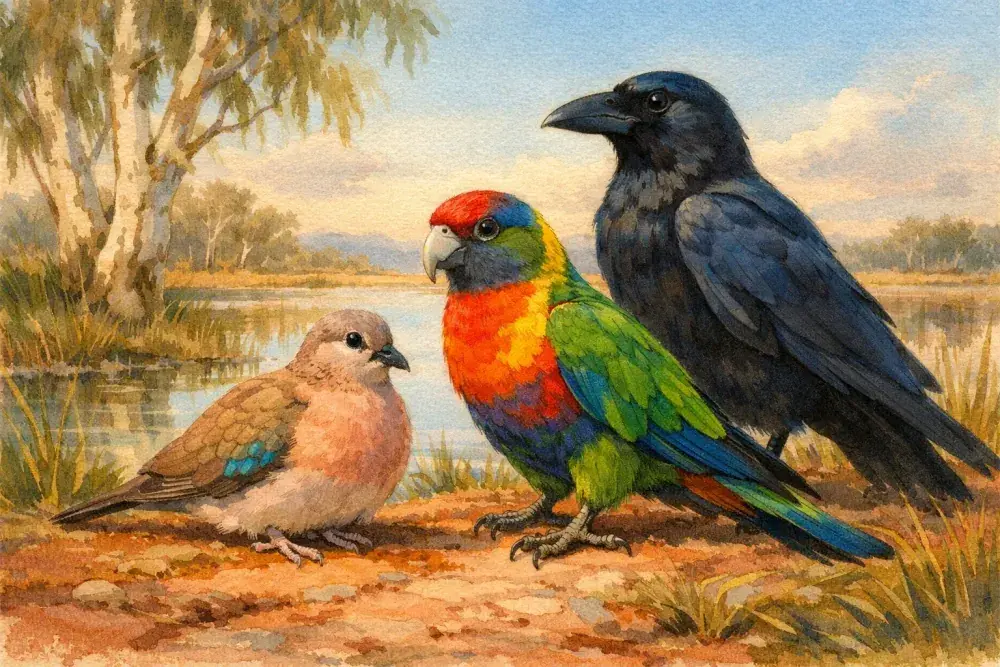
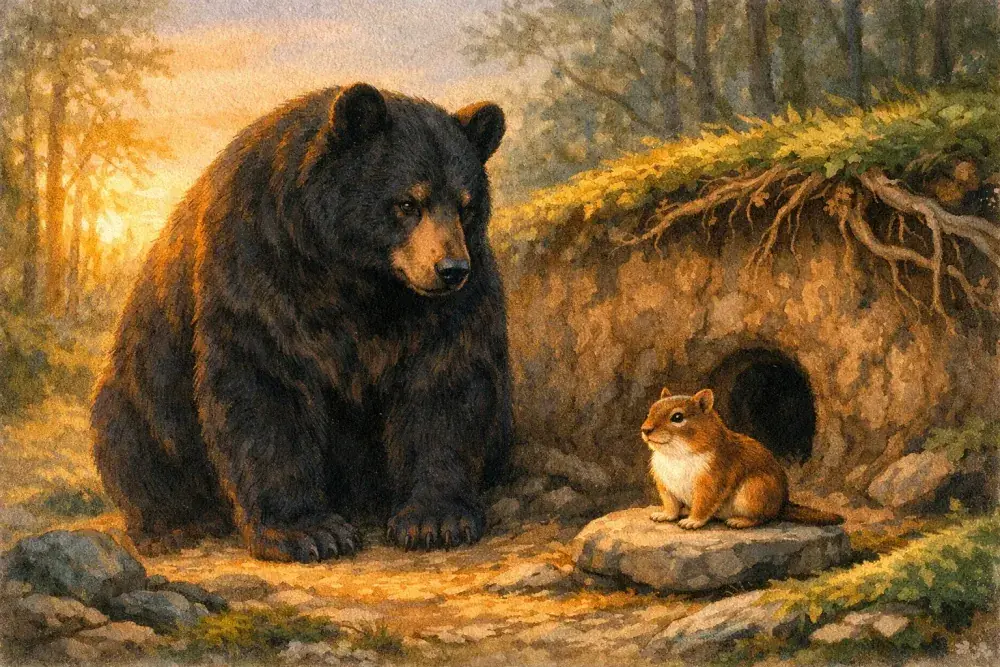
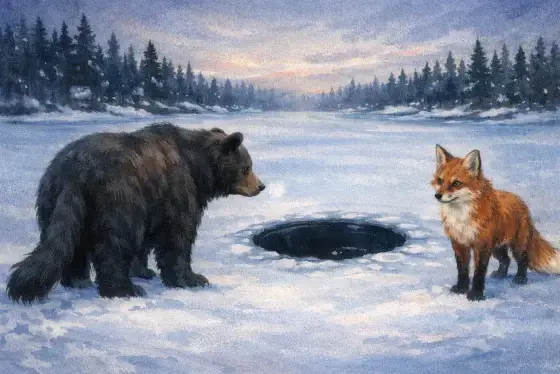
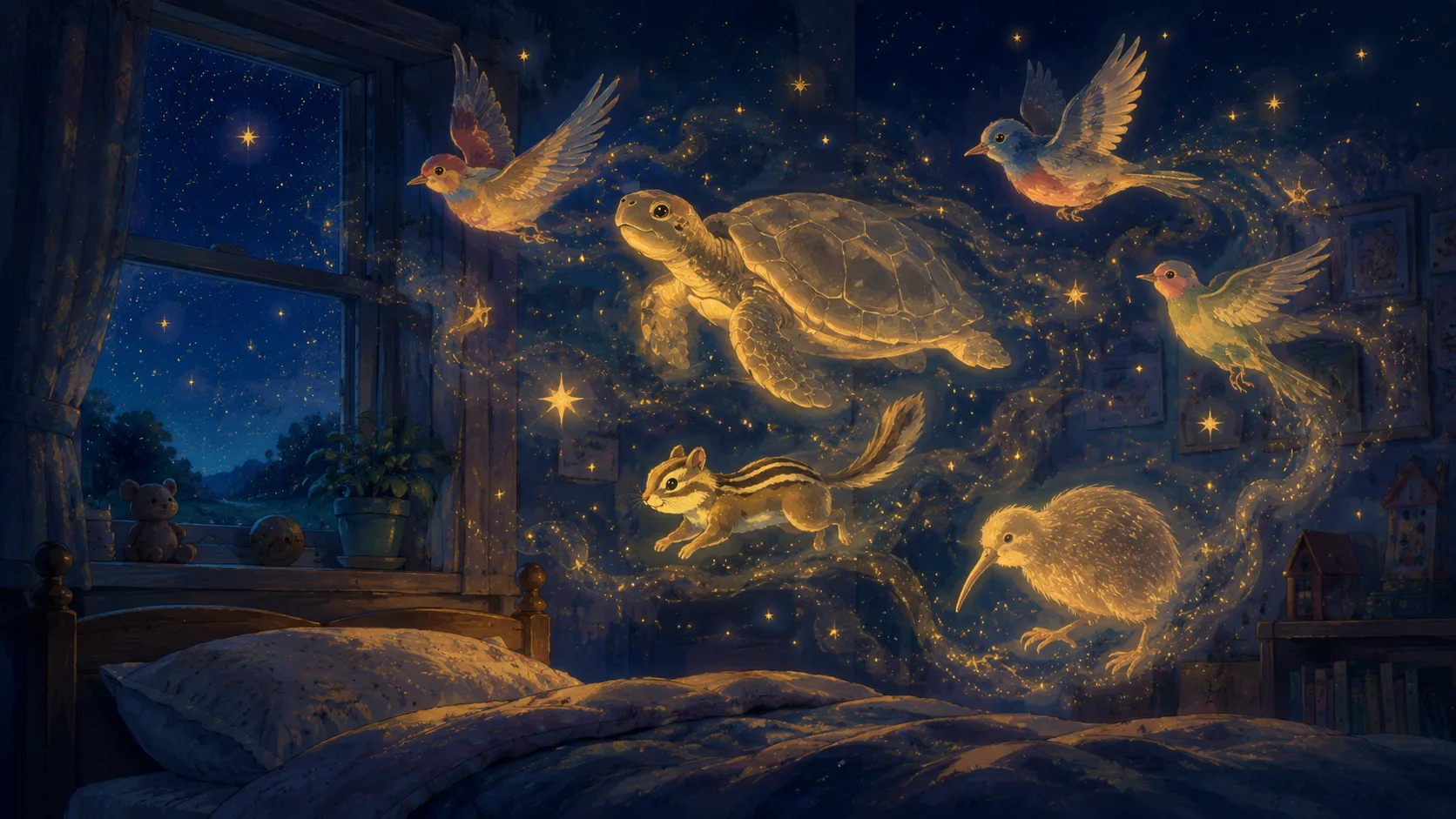
Long before anyone measured this, every storytelling culture had already met that small voice and answered it with a story. Folklorists call these pourquoi tales, from the French word for why, or etiological tales: stories whose whole purpose is to explain how something came to be. Why the tortoise's shell is cracked. Why the birds wear so many colours. Why the chipmunk carries stripes down its back. Why the bear's tail is so short. Why one small bird gave up the sky forever. They turn up on every continent because the question turns up in every child.
The most famous ones began at bedtime
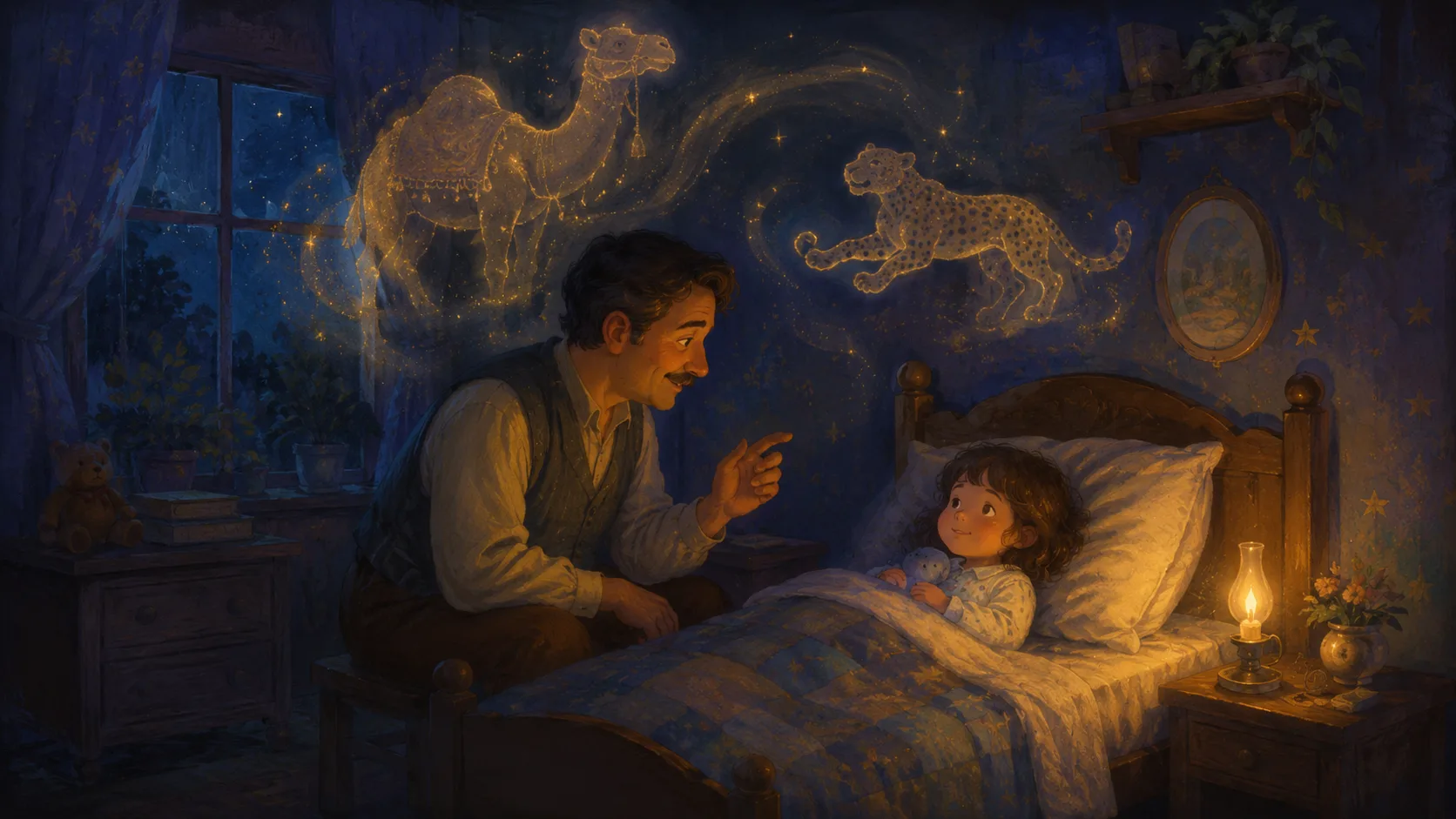
The best known name for them came from a bedside. In 1902 Rudyard Kipling published his Just So Stories, playful accounts of how the camel got its hump and the leopard its spots. The collection began as bedtime stories he told his young daughter, and it earned its name because she insisted that each one be told just so, word for word, or she would stop him and put the missing sentence back. The why, the answering story, and the quiet of the bedtime ritual were bound together from the very start.
A generous way to answer
This is the tradition Dreamtime Stories carries into the dark. A pourquoi tale does not replace real science, and it is not trying to. There is a true and wonderful reason a tortoise's shell looks the way it does, and the app keeps calm science stories for that kind of why as well. But when a tired child asks how the world came to be as it is, a story is a generous way to honour the question and still let the room go soft and quiet.
Tonight you might follow How the Tortoise Got the Cracks on His Shell, watch How the Birds Got Their Colours fill the sky, trace How the Chipmunk Got Its Stripes, or sit with the tender How the Kiwi Lost His Wings. Answer one why with a story, and let the next one wait for morning.
Sources
- Michelle M. Chouinard, children ask about 76 information-seeking questions an hour by age three, with one child reaching 145 in a single hour (Monographs of the Society for Research in Child Development, 2007)
- Frazier, Gelman and Wellman, preschoolers agree and follow up after a real explanation, and re-ask or supply their own after a non-answer (Child Development, 2009)
- Pourquoi story, the folklore genre of etiological tales that explain why the world is the way it is
- Rudyard Kipling, Just So Stories (1902), begun as bedtime stories that had to be told just so for his daughter